Imagine, you have a small bakery, you are doing well, but your old oven is starting to sputter. Now, you have a choice; keep patching it up (an ongoing cost) or invest in a brand new, high efficiency model (new oven), that is a capital expenditure.
It is important to understand what capital expenditure is, how it differs from your day-to-day expenses, and how it helps in the growth of your small business. Let’s dive in.
What is Capital Expenditure? (CapEx)
When a company uses their fund to acquire, upgrade, and maintain assets (like, plants, property & equipment (PPE), buildings or technology) then the fund used refers to Capital Expenditure (CapEx). The investments which are made on non current assets, and are expected to provide benefits for more than one accounting period (like that oven you purchase for your bakery business).
Think of it this way:
- Long-term benefit: CapEx investments are about setting your business up for future success and increased capacity.
- Balance Sheet Focus: Unlike other regular expenses, capital expenditures are recorded as assets on your company’s balance sheet. Their cost is then gradually recognized as an expense through depreciation over their useful life.
Examples:
- Buying a delivery van to expand your catering services.
- Constructing a new warehouse to accommodate growing inventory.
- Installing solar panels to reduce long-term energy costs.
Capital Expenditure vs Operating Expenditure
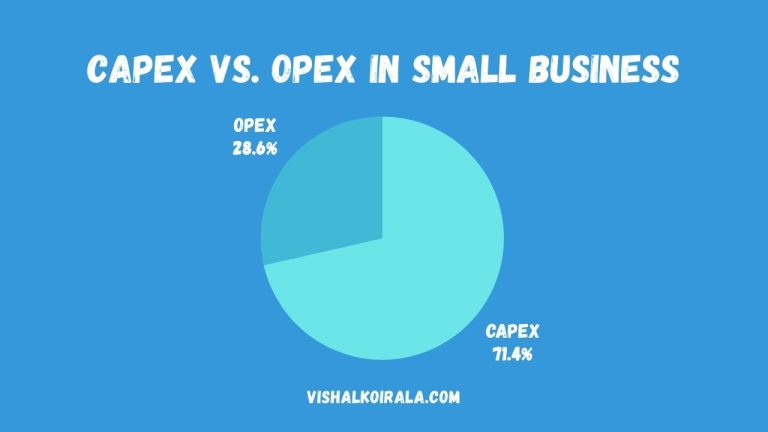
Many of us get easily confused on CapEx with Operating Expenditure (OpEx), but they serve very different purposes. The key difference lies in the duration of the benefit from those assets.
| Feature | Capital Expenditure (CapEx) | Operating Expenditure (OpEx) |
|---|---|---|
| Duration | Long-term | Short-term |
| Financial Statement | Balance Sheet | Income Statement |
| Examples | Buying a building | Monthly Rent |
| Tax Treatment | Depreciated over time | Fully deductible |
Let’s understand this way:
- Buying vs. Renting Office Space: Purchasing an office building is CapEx (long-term asset), while paying monthly rent is OpEx (recurring cost).
- Buying vs. Leasing a Company Car: Buying a car is CapEx, while leasing it involves OpEx (lease payments).
Common Examples of Capital Expenditure
Capital expenditure can be different as the type of business changes. Here are some common examples across different industries:
Examples of Capital Expenditure on Retail Business
- Buying a new display shelves and fixtures
- Renovating the store interior to improve customer experience
Examples of Capital Expenditure on Bakery
- Buying a $10,000 industrial oven to increase production capacity.
- Installing a cold storage unit to preserve ingredients.
Examples of CapEx on Tech Startup
- Buying servers and workstation for employees.
- Investing in office furniture and fixtures for a comfortable workspace.
Examples of CapEx on Farming Business
- Buying a new tractor to improve efficiency
- Installing a modern irrigation system to enhance crop yields.
Case Study: Sunrise Bakery’s Capital Expenditure Journey
Business Type: Small Bakery in Texas
Sunrise Bakery was struggling to meet customer demand with its aging oven. To expand, the owner decided to make two key capital expenditures:
- Purchased a $12,000 commercial oven: this new oven had significantly higher capacity and baked more efficiently.
- Spent $6,000 to renovate the storefront: this included new paint, updated signage, and improved lighting to attract more customers.
Accounting Treatment of Sunrise Bakery
- Both the oven ($12,000) and the storefront renovation ($6,000) were recorded as noncurrent assets on Sunrise Bakery’s Balance Sheet.
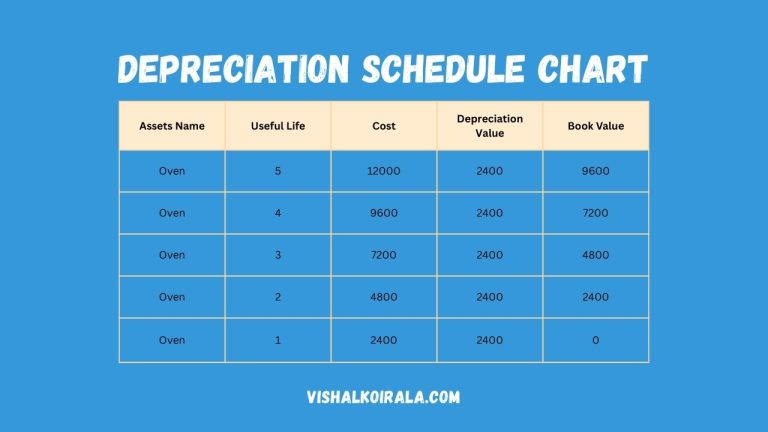
- The oven, with an estimated useful life of 5 years, is being depreciated at a rate of $2,400 per year ($12,000 / 5 years). The renovation might be depreciated over a longer period, say 10 years, at $600 per year.
| Items | Amount ($) |
|---|---|
| Assets | |
| Current Assets | |
| Cash In Hand | 5,000 |
| Bank Balance | 6,000 |
| Total Current Assets | 11,000 |
| Noncurrent Assets | |
| Oven | 12,000 |
| Less: Accumulated Depreciation on Oven | (2,400) |
| Leasehold Improvements | 6,000 |
| Less: Accumulated Depreciation on Leasehold Improvements | (600) |
| Total Non-Current Assets | 15,000 |
| Items | Amount ($) |
|---|---|
| Sales | XXX |
| Other Income | XXX |
| Total Income | XXX |
| Expenses | |
| Accumulated Depreciation on Oven | 2,400 |
| Accumulated Depreciation on Leasehold Improvements | 600 |
| Other Expenses | XXX |
| Total Expenses | XXX |
Benefits of investing into CapEx on Sunrise Bakery
- The new oven improved baking speed by 40$, allowing Sunrise Bakery to fulfill more orders.
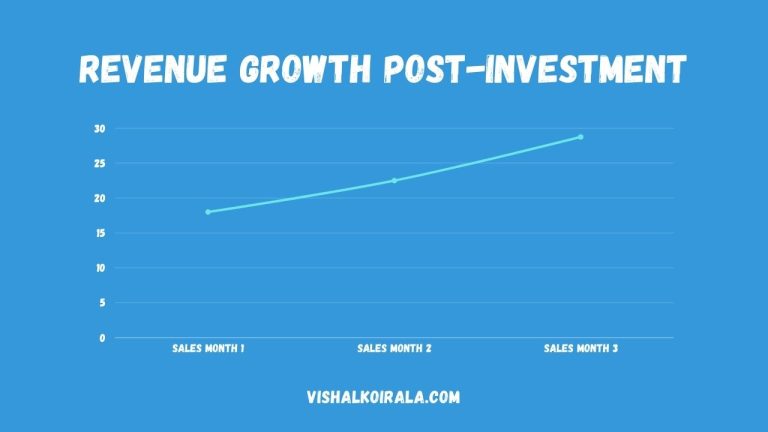
- The renovated storefront increased foot traffic, and over the next 12 months, revenue increased by 25%.
This study shows how strategic capital expenditures can lead to improved operational efficiency, and revenue growth for small businesses.
Accounting Treatment of Capital Expenditures
Handling CapEx is different than how you handle regular expenses. Here’s a step-by-step overview:
- Purchase: When you purchase a capital asset, the full cost is recorded as an asset on your balance sheet.
- Capitalize: This means you are recognizing the expenditure as an asset rather than an immediate expense.
- Depreciate (or amortize): Over the asset’s useful life, its cost is gradually expensed through depreciation (for tangible assets like equipment) or amortization (for intangible assets like patents). This reflects the asset’s wear and tear or consumption over a period of time.
Explore More About Tangible Assets & Intangible Assets with Our Guide
Let’s relate accounting of capital expenditure with our case study for easier understanding. When Sunrise Bakery purchased an oven for $12,000 with an estimated useful life of 5 years, the annual depreciation expense was $2400 (12000/5 years). This $2400 is recognized as an expense on the income statement each year, while the oven’s book value on the balance sheet decreases by the same amount for 5 years.
This treatment recognizes the long-term nature of the investment and matches the expense with the revenue the asset helps generate over its lifespan. It’s important to note the impact on cash flow – the initial cash outflow for CapEx is high, but it’s not fully reflected as an expense in the same period.
Tax Implications of CapEx
As discussed earlier, capital expenditures are generally not fully deductible in the year they are incurred. Instead, their cost is typically recovered over time through depreciation or amortization. This means that a portion of the asset’s cost is deductible each year over its useful life, rather than the entire amount being deductible upfront.
However, there can be some exceptions. For instance, IRS Section 179 allows small businesses to deduct the full purchase price for some qualifying new or used equipment placed in service during the tax year, up to a certain limit.
How to Budget for Capital Expenditure
Planning for capital expenditure is vital for sustainable growth of business. Here are steps to effectively budget for CapEx:
- Identify long-term needs: You need to determine what assets your business needs to acquire or upgrade to achieve these long-term goals. This might involve expanding capacity, improving efficiency, or complying with new regulations.
- Estimate Cost and Return on Investment (ROI): Research the cost of the required assets and analyze the potential return on investment (ROI). Consider factors like increased revenue, cost savings, and improved productivity.
- Create a CapEx Budget: Develop a detailed budget outlining the planned capital expenditures, their estimated costs, and the expected timeline for acquisition. Prioritize projects based on their strategic importance and potential ROI.
- Consider Financing Options: Explore different financing options, such as using retained earnings, taking out loans or exploring leasing arrangements, to fund your capital expenditures without straining your cash flow.
- Example: A retail shop plans to upgrade three ageing air conditioning units. They estimate a total cost of $9000. By investing in energy-efficient models, they project an ROI within 18 months due to significant energy savings. This analysis can help them justify the capital expenditure and plan their budget accordingly.
Industries That Spend Heavily on CapEx
There are certain industries which are more capital-intensive than others due to the nature of their operations. Some examples include:
- Energy & Utilities: These sectors require massive investments in power plants, pipelines, and other infrastructure.
- Manufacturing: Factories rely on expensive machinery, production lines and plants.
- Tech: Companies in this sector often invest heavily in data centers, research and development facilities and advanced equipment.
Real-World Examples of Industries Investing Heavily on Capital Expenditure
- Tesla invests billions in building gigafactories to produce electric vehicles and batteries.
- Amazon continuously invests in its vast network of warehouses and logistics hubs to support its e-commerce operations.