Have you ever wondered why some businesses seem to have enough money to keep going, and others are struggling to pay their employees? It’s not magic. It’s all about understanding Current Assets.
What are Current Assets?
“Types of assets which can be converted into cash within a year” this is a definition of Current Assets. Alright, let’s break it down to nice and simple, Anything you own that gives value or helps you generate money, is assets. And any assets that can be sold easily (just like you sell your second hand smartphone on ebay) are called current assets. Like, cash in the register, the stock you have in your warehouse, unpaid invoices by your customer, and that credit your friend is not returning 😛
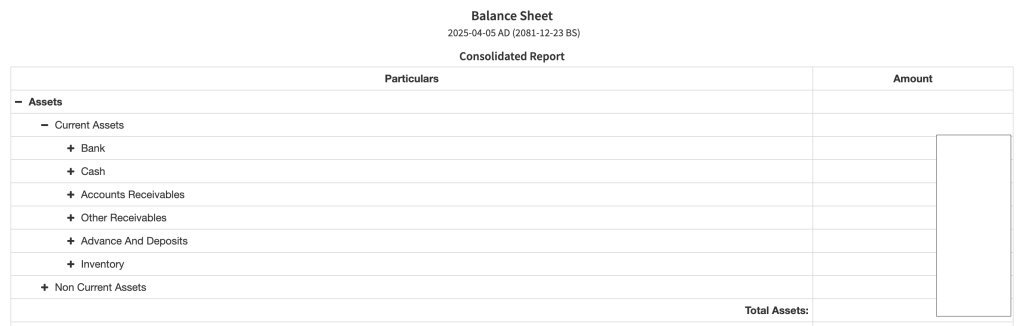
Why are Short-Term Assets so Important for your business?
Imagine, trying to run your business without cash to buy supplies or pay your employees, it sucks right? That is where short-term assets come to play a role. Liquid assets help you keep moving things and handle day to day operations, without assets like cash, accounts receivables, and inventory, you wouldn’t be able to meet short-term obligations so in short it help you stay liquid (actually a fancy way of saying you have cash ready to rock and roll).
Why are Immediate Assets so Important for your Retirement Plan?
Now, when it comes to retirement plans for individuals, if you have enough cash to pay your bills, eat healthy food and a cozy place to sleep, then only you can spend your time thinking about saving for the future, that is where it comes to hand.
In Summary it helps you to keep your business running today and pave the way for a better future.
Understanding Key Components of Short Term Assets?
What are Cash & Cash Equivalents?
Cash is physical money or bank balance which is ready to be spent immediately, like; cash in register, balance in your savings account, whereas cash equivalents are super liquid investments, like; treasury bills, short-term securities or any investment that matures within three months, that can be converted quickly to cash.
Why Cash & Cash Equivalents Matters?
Actually, this is the most important liquid asset you can have, as a business or individual. This helps you to manage your day to day operation smoothly, imagine not having the cash to buy ingredients for your cafe?
Example: Let’s say you run a small bakery. Now you will need cash on hand to buy fresh ingredients every day and to pay your employees. Without cash in hand you can’t operate your bakery smoothly.
What is Accounts Receivable?
If you have any unpaid bills by your customers who bought goods or your services then, it is called Account Receivable.
Why Accounts Receivable Matters?
It directly impacts your cash flow. If customers don’t pay in time, it could lead to difficulty in covering your expenses. For small businesses, chasing down unpaid invoices is a common issue. So, a sigma rule is, to keep your cash flow healthy, make sure your receivables are managed.
Example: If you are a graphic designer, clients might owe you money for completed projects. So, the quicker they pay, the quicker you can reinvest that cash into growing your own business.
What is Inventory?
Any materials, which may be in the form of raw materials, work-in-progress, and finished goods is called inventory. This can be your unsold product in a retail shop or materials needed to build your next project.
Why Does Inventory Matters?
For businesses like retail or manufacturing, inventory are the key assets. However, it is important to manage those inventory, else you can use a lot of cash into it and it gets difficult to manage other day to day operations.
Example: A small clothing store may need inventory like shirts, dresses and accessories. But, holding too many of them that aren’t sold can hurt cash flow.
What are Prepaid Expenses?
Any expenses that have been paid but still have not happened are known as prepaid expenses. Like, if you have to pay your rent for the upfront month, then it is called prepaid expenses because your rent expenses will be booked at the end of the month.
Why Prepaid Expenses Matters?
Yeah, prepaid expenses don’t give you cash right now, but they are respected as an asset because they can be used up in future (usually within a year or less). Tracking these kinds of expenses can help you maintain your books accurately and ensure you are not overestimating your available cash.
Example: If you are a freelance consultant and you have already paid for your office rent for a year in advance, then it is called prepaid expenses. So, until you fully consume that space for a year, it will be called an asset.
What is a Petty Cash Fund?
A small portion of cash kept on hand by business which helps to cover minor day to day expenses, like purchasing of office supplies, or coffee for meetings is called Petty Cash Fund.
Why Petty Cash Fund Matters?
It helps businesses to avoid the hassle from constantly writing checks or making bank transfers for small expenses like coffee for meetings. Having a small portion of cash on hand can help you maintain smooth operation of your business without running into financial discrepancies.
Examples: Your small local cafe may keep a petty cash fund for small purchases like buying napkins, or cleaning supplies.
List of Current Assets Across Different Industries
| Business Type | Key Current Assets | Why Does It Matter? |
|---|---|---|
| Retail Business | Cash, Accounts Receivable & Inventory (products which were purchased to sell) | Retailers need enough inventory to meet customer demand, but also they need to ensure that they are selling those inventory quickly. Managing Accounts Receivable is crucial to keep cash flow moving for retailers. |
| Manufacturing Business | Raw Materials, Work-in-Progress Inventory & Accounts Receivable | They need to balance between raw materials and inventory with finished goods to maintain a smooth production flow. Also, they should monitor Accounts Receivable to avoid cash flow issues. |
| Service-Based Business | Cash, Accounts Receivable & Prepaid Expenses | Most service businesses often rely heavily on Accounts Receivable, as clients usually prefer to pay after the service is provided. |
| Tech Startups | Cash, Marketable Securities, Accounts Receivable | These startups have very little physical inventory, so cash and marketable securities are essential for funding growth. Accounts Receivable can also be a major consideration, especially if they offer services on credit to large companies. |
How to Calculate Immediate Assets for Small Business?
It’s simple as that,
Current Assets = Cash + Accounts Receivable + Inventory + Prepaid Expenses + Other Liquid Assets
A step-by-step guide to calculate Immediate Assets
You run a small cafe, which has Cash $5000, Accounts Receivable $3000, Inventory worth $2000 and prepaid expenses worth $1000.
| Assets Type | Amount ($) |
|---|---|
| Cash | 5,000 |
| Accounts Receivable | 3,000 |
| Inventory | 2,000 |
| Prepaid Expenses | 1,000 |
| Total Current Assets | 11,000 |
So, your total immediate assets are worth $11,000.
Common Mistakes to Avoid when Calculating Total Immediate Assets
Even though this formula looks simple, businesses often make these common errors like:
Overestimating Accounts Receivable
Just because your customers owe you money, that doesn’t mean they will pay on time (or at all not pay). Some overdue bills can become bad debt.
Forgetting Marketable Securities
Small Businesses often forget to include short-term investments (like; stocks or bonds) that can be converted to cash.
Confusing Quick Assets with Fixed Assets
Assets like equipment, buildings, vehicles are not quick assets. As they fall under long-term assets or fixed assets so you can’t calculate them here.
Ignoring Depreciation
Generally, prepaid expenses and inventory lose their value over a period of time. So, you have to update your records accordingly, else you may end up thinking you have more assets than you actually do.
What is the use of Short - Term Assets in Business?
These are like the fuel of business, which helps your business run smoothly. Whether it’s about paying your employees, covering rent or buying inventory, businesses really rely on these assets to stay afloat.
Use of Quick Assets in Day to Day Operations of Business
Small Businesses often find it difficult to manage financial responsibilities, and it ensure they have enough cash flow to cover these key items:
Payroll
Paying your employees in time is a must priority. If a bakery sells $10,000 worth of pastries in a month but only has $2,000 in cash, they might need to focus on collecting accounts receivable to make payroll.
Rent & Utilities
These are important resources to keep your business running. So, businesses use cash or cash equivalents to pay rent and electricity bills.
Supplier Payments
A retail store might use revenue from sales (cash or receivables) to purchase new inventory, after all you cannot always put capital (investment in your business).
Example: A local coffee shop uses its daily cash sales to pay baristas and order more coffee beans from its revenue. Without a steady cash flow, the coffee shop might struggle to operate efficiently.
How Short Term Assets Can Help Managing Working Capital?
Working Capital = Current Assets – Current Liabilities
This measures whether a business has enough assets to cover short-term debts or not. So having, sufficient liquid assets means:
- A retail store can restock shelves without taking out a loan.
- A freelance designer can prepay software subscriptions to avoid disruptions.
- A small manufacturer can purchase raw materials without delaying production.
Why Managing Working Capital Matters?
Having low working capital can lead businesses to struggle with daily operations, resulting in delay in payments or even shut down.
Use of Immediate Assets to Calculate Liquidity in Business: Explained
Liquidity is all about how quickly you can convert your assets into cash. There are some financial ratios that helps us to measure this:
| Liquidity Ratio | Formula | What It Tells You |
|---|---|---|
| Current Ratio | Current Assets / Current Liabilities | Measures overall short-term financial health |
| Quick Ratio | (Cash + Marketable Securities + Receivables) / Current Liabilities | Shows how well a business can pay debts without relying on business inventory |
| Cash Ratio | Cash / Current Liabilities | It evaluates how much cash is available to cover immediate liabilities |
Example: A tech startup who has a quick ratio below 1 may struggle to pay short-term obligations unless it improves receivables or raises cash.
Quick Key Takeaway
How Different Short-Term Assets are Used in Business
| Type of Current Assets | Use in Business Operations |
|---|---|
| Cash & Cash Equivalents | Paying salaries, rent, and suppliers |
| Accounts Receivable | Managing delayed payments from customers |
| Inventory | Stocking products for future sales |
| Prepaid Expenses | Covering future costs like insurance & rent |
| Marketable Securities | Quick access to emergency funds |
Bonus: Small businesses should balance their current holdings very wisely. Having too much inventory but not having good cash flow, or having a large amount of accounts receivable or not having any account receivable, leads you to slow growth. It is very essential to manage your financial holdings wisely for stability and financial success of your business.
What are the differences between Current Assets vs. Non-Current Assets?
Understanding the key difference between operating assets and non-operating assets is crucial for financial planning, tax purposes and assessing business health.
What are Non-Current Assets?
Where operating assets can be converted into cash quickly (within a year as defined), non-current assets are long-term investments which help businesses to operate but these kind of assets are not meant to be sold quickly.
Examples:
- Property, Plan & Equipment (PPE) – Buildings, factories, land and machinery.
- Intangible Assets – Patents, trademarks, goodwill of business.
- Long-Term Investments – Stocks, bonds or real estate which are held by business for more than one year.
Current Assets vs Non-Current Assets
| Feature | Current Assets | Non-Current Assets |
|---|---|---|
| Usage | Can be used or converted into cash within a year | Assets which are held for more than a year |
| Examples | Cash, Accounts Receivable, Inventory | Buildings, Machinery, Plants |
| Liquidity | High – can be easily turned into cash | Low – can be turned into cash but it's hard |
| Depreciation | No depreciation (except for market fluctuations) | Most of the assets depreciate over time |
Why Do Quick Assets Don’t Depreciate?
- Cash stays cash (unless inflations hits and eats its value)
- Inventory is sold or can be replaced quickly
- Prepaid Expenses can be used up rather than losing value over a period of time
How to Manage & Optimize Short-Term Assets Like a Pro?
Managing quick assets is not hard actually, you just need to understand that too much inventory can hold your cash forever and too little can affect your sales. So you must be in between both. Let’s simplify it more:
Effective Management Tips
Track Cash Flow Regularly
- You must monitor how much cash is coming in and going out.
- Use cash flow forecasts to predict short-term financial needs.
Optimize Accounts Receivable
- Don’t let your customers delay the payment.
- You can offer discounts for early payments or enforce late fees.
Maintain the Right Inventory Levels
- Too much inventory can lead to holding your cash.
- On the other hand, too little inventory can lead you to lose your sales.
- So, using inventory management software can help you find the sweet spot.
Avoid Over-Investing in Current Assets
- Having excess cash sitting idle is a missed opportunity.
- Consider short-term investments or reinvesting in business growth then sitting in a pile of cash.
What are the Limitations of Immediate Assets?
Yes, there are some limitations of immediate assets, like everything has their own risks. So, here are the limitations of immediate assets explained:
What are the Issues of Holding Inventory?
Inventory ≠ Cash
- Inventory is indeed valuable but not as much as Cash.
- Products can become obsolete, unsellable, or overvalued.
Risk: Overestimating the Value of Inventory
- A company may record inventory at a high value, assuming it will sell.
- But if demand drops, those products will sit on shelves, which will eventually hold your cash.
Solutions
- Using inventory turnover ratio to ensure stock moves efficiently.
- Implementing a just-in-time inventory system to avoid excess stock.
What are the Risks with Accounts Receivable?
Not All Customers Pay on Time
- Selling on credit may boost sales, but late payments will hurt your cash flow.
- High accounts receivable may look good on paper but it can mislead if payments are delayed.
Risk: Uncollected Receivables = Cash Flow Problems
- Businesses may struggle to pay their own bills while waiting on customers.
- Some receivables will never be collected, eventually leading to bad debt and hampering your profitability.
Solution
- Offering early payments discounts to encourage faster collections.
- Clearing payment terms while doing credit sales, and enforcing late fees on overdue invoices.
- Regularly reviewing accounts receivable aging reports to spot risks early.
What are the Risks with Working Capital?
More Current Assets ≠ Better Performance
- Having too much cash, excess inventory, or unpaid invoices always doesn’t mean a business is thriving.
- If it do not lead you to actively generating revenue, then they become inefficient.
Risk: Poor Working Capital Management
- Excess cash sitting idle leads you to miss the opportunity.
- Too many accounts receivable leads you to unreliable cash flow.
- Too much inventory leads you to unnecessary costs.
Solution
- Using working capital ratios to measure efficiency.
- Optimizing cash reserves helps you to invest wisely.
- Regularly reviewing financial statements helps assets to be used effectively.
Thoughts
Managing liquid assets is not only about knowing what they are, it’s also about how you optimize them for maximum return and efficiency. Businesses that master the skills of managing current assets enjoy better cash flow, higher liquidity and sustainable growth.
So, either you are running a business, studying finance, or crunching numbers as an accountant, remember liquid assets are your best financial tool if you manage it right.